FREE sourcing support ·

Eligibility applies to qualified business buyers and is confirmed after we review your product, quantity, destination, and sourcing requirements.

Smart Farming • control scope

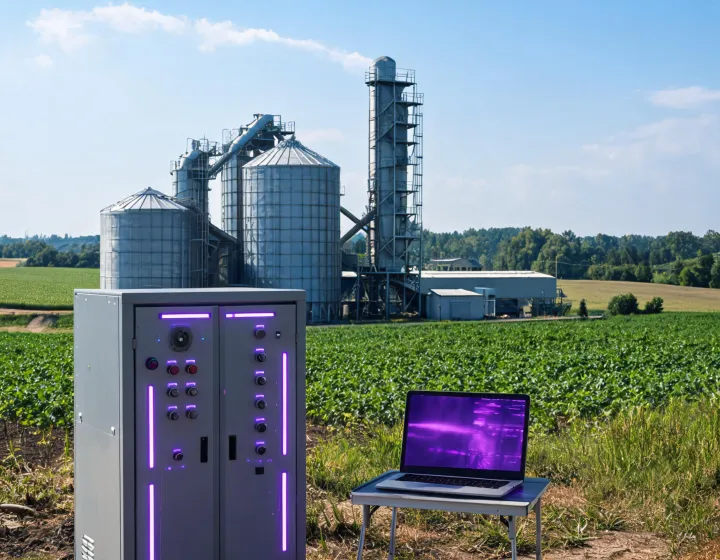
Mobile grain dryer controls for a connected farm

A mobile grain dryer can form part of a digital farm workflow when sensor inputs, operator decisions and data access are specified together. Ask what the proposed controls measure and what remains a manual check before comparing an automation premium.

Grain drying controls and telemetry planning

A dashboard starts with a measurement plan

These panels describe procurement questions. They are not live readings or a demonstrated control-system capability.

INPUT / MOISTURE

Grain moisture content

Specify inlet and outlet sampling locations, measurement method and reference checks. Request calibration instructions and a way to identify sensor drift; a displayed value alone cannot establish grain quality.

PROCESS / TEMPERATURE

Drying conditions

Ask which temperatures are monitored, the sensor position, alarm thresholds and how the operator changes the drying recipe. Keep crop and moisture conditions attached to every throughput statement.

OUTPUT / RECORDS

Run log and export

Request a sample log showing timestamps, crop identification, alarms and relevant readings. Confirm export format, retention, user access and ownership of the data before buying a remote monitoring package.

Factory response required

FALLBACK / OPERATOR

Local operation

Compare local controls with connected controls on the same drying scope. Telemetry may improve visibility but depends on connectivity, access and maintenance; a simpler local panel needs a clear recordkeeping and alarm response process.

No network assumption

Ask for the documents behind the screen

  • Open the procurement checklist

    Record the machine configuration, power and handling interfaces, quantity and destination before discussing controller options.

  • Request the controller evidence pack

    Ask the quoted factory for wiring diagrams, input/output list, supported sensors, control manual, software access terms and the spare-parts route. No downloadable supplier pack is represented as already available here.

  • Review the grain dryer machine inquiry options

    Include grain dryer controllers in the request when control compatibility or a replacement interface is part of the project; a controller name does not confirm compatibility with the existing dryer.

Stage the integration review

  1. Before factory comparison

    List sensor, motor, burner and handling connections. Use voltage, frequency, phases and kW or hp where applicable. Draw the boundary between factory controls and the farm's existing equipment.

  2. Before technical acceptance

    Request a demonstration plan covering loss of sensor input, network disconnection, alarm acknowledgement and the return to local operation. Ask the responsible engineer to confirm electrical documentation for the exact model and destination.

  3. Before commissioning sign-off

    Agree the test crop and moisture basis, logging interval and acceptance criteria with the supplier. Retain configuration and training records. A remote connection cannot substitute for site safety checks or manufacturer operating instructions.

A premium, mid-range or budget-friendly preference should state which functions may be traded away and which essential requirements cannot change. Compare equipment, communication hardware, subscription terms, commissioning and continuing support as separate costs; there is no assumed return on investment.

Write the control requirement in the RFQ

Tell us whether the request covers a complete dryer or a control interface. Include existing equipment identification and the operator's local and remote tasks so alternatives can be reviewed without implying compatibility.